A Hidden Holy Place in The Akita: Seitai Hoshikai〜6
 mina5
mina5
It takes less than 10 minutes to walk from the Akita Catholic Church.
The route goes along the moat, and on the other side of the moat stands Akita Art Theater Milhas.
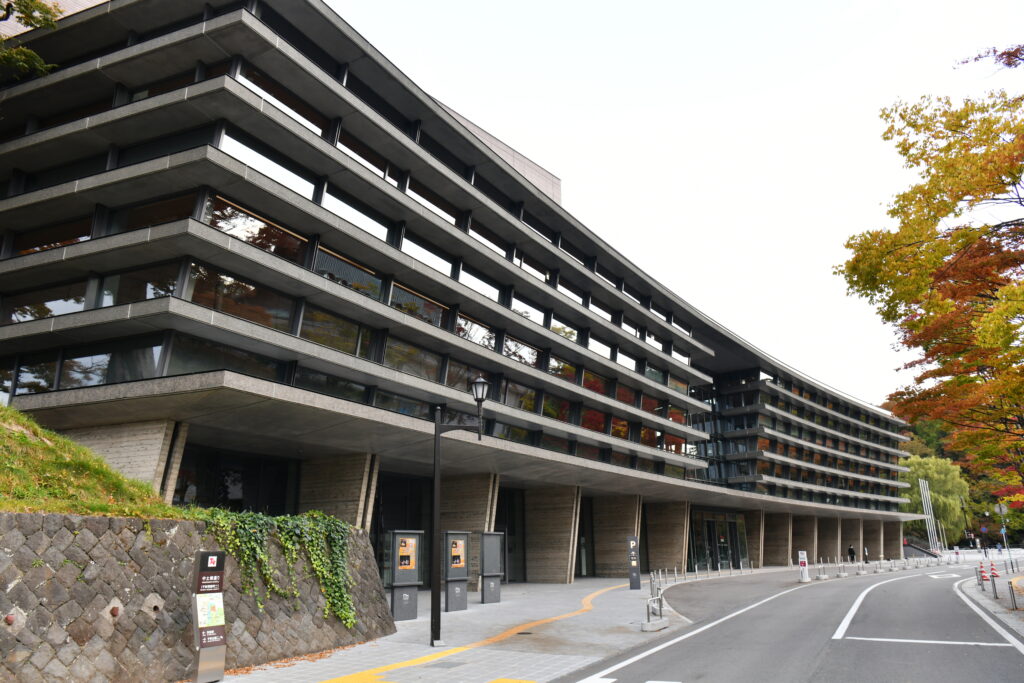
The name “Milhas” comes from the French word mille, meaning “a thousand,” and the English word has.
It expresses the idea that Milhas is a theater with thousands of possibilities, and a place where diverse forms of expression, people, and cultures come together.
The building is designed as a space where people can experience an atmosphere that combines the nature and culture of Akita.
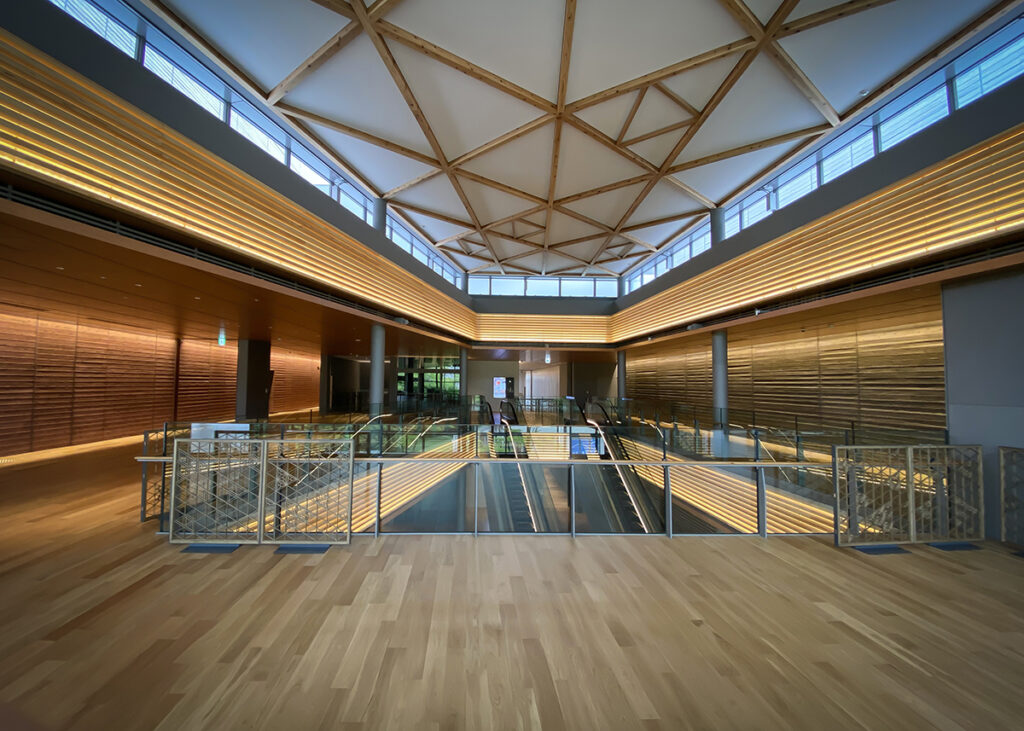
Akita cedar, one of Akita Prefecture’s traditional products, is used throughout the building.
It is widely applied to the interior walls and ceilings, and its soft colour and natural wood grain bring warmth to the entire space.
All of the chairs and tables in the foyer are made of Akita cedar.
The features of Akita cedar.
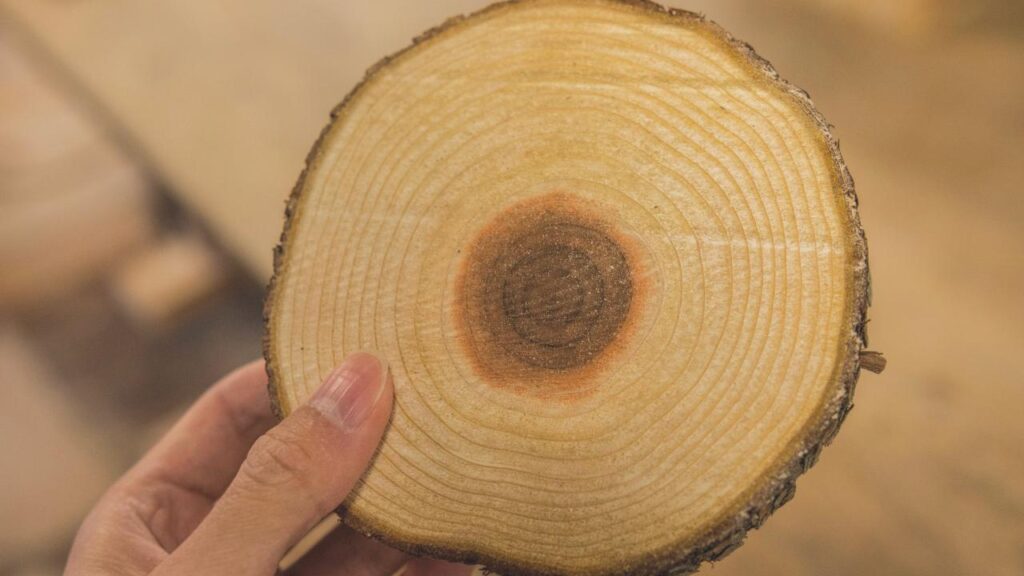
Akita cedar is known throughout Japan as a high-quality wood.
Natural Akita cedar has superior strength and beautiful grain. This is because it has narrow annual rings of almost equal width, as the cedar grows slowly due to the low temperatures of Akita Prefecture.
Since the 16th century, the superiority of Akita cedar has been well known.
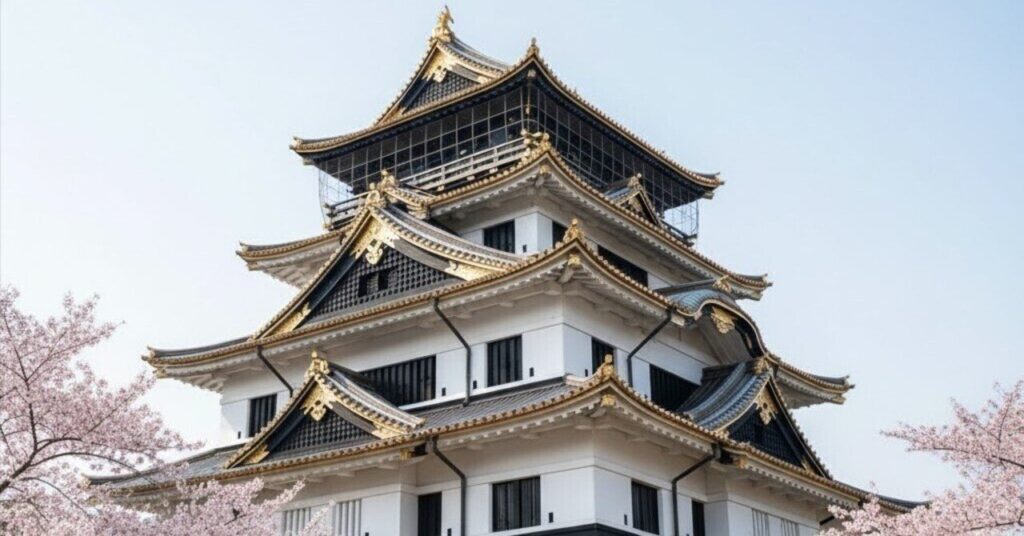
Toyotomi Hideyoshi, the most powerful political leader of the 16th century, searched for high-quality wood throughout Japan to build his castle in Kyoto.
He found that Akita cedar was the best wood for this purpose and ordered the feudal lord of Akita to send the cedar to Kyoto.
During the Edo period (1603–1868), the lord of Akita made great efforts to protect and cultivate Akita cedar as an important financial resource for the domain.
Akita cedar also has excellent durability due to its low expansion rate.
For this reason, it has been widely used as a material for buildings and furniture.
The exterior walls of the hall are made of concrete and feature the grain pattern of Akita cedar.